
Understanding how search engines prioritize content is essential for businesses aiming to grow online. One of the most effective strategies for gaining traction is using topic clusters to organize website content. This approach not only enhances SEO but also improves user experience by creating a clear content structure. For companies looking to boost their visibility, mastering topic clusters can be a game-changer.
What Are Topic Clusters?
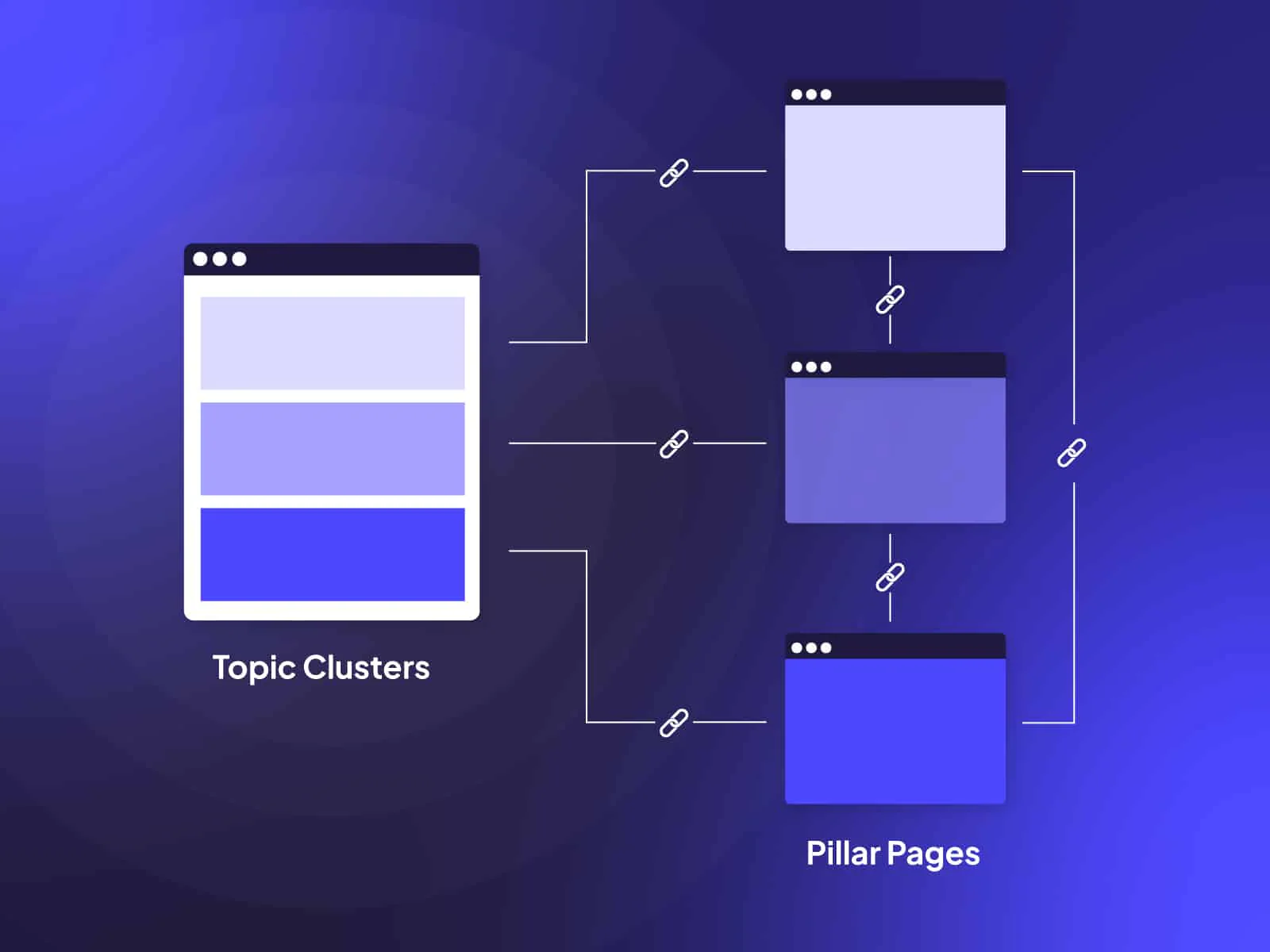
Topic clusters are groups of related content pieces that revolve around a central subject. At the core of this model is a comprehensive “pillar page” that broadly covers the main topic. Surrounding the pillar page are several cluster pages that dive deeper into specific subtopics linked back to the pillar. This creates a web of interconnected content that helps search engines understand the relationship between pages.
Instead of scattering unrelated posts, the topic clusters method organizes information logically. This structure guides both visitors and search engines, making it easier to find relevant content and improving rankings for related search queries.
Why Topic Clusters Work for SEO
Traditional SEO approaches often relied on targeting isolated keywords in individual pages. However, search engines like Google have evolved to prioritize content that demonstrates expertise, authority, and trustworthiness across related topics. With topic clusters, search engines see a website as a reliable source on a particular subject because it offers detailed and organized content on many aspects of the topic.
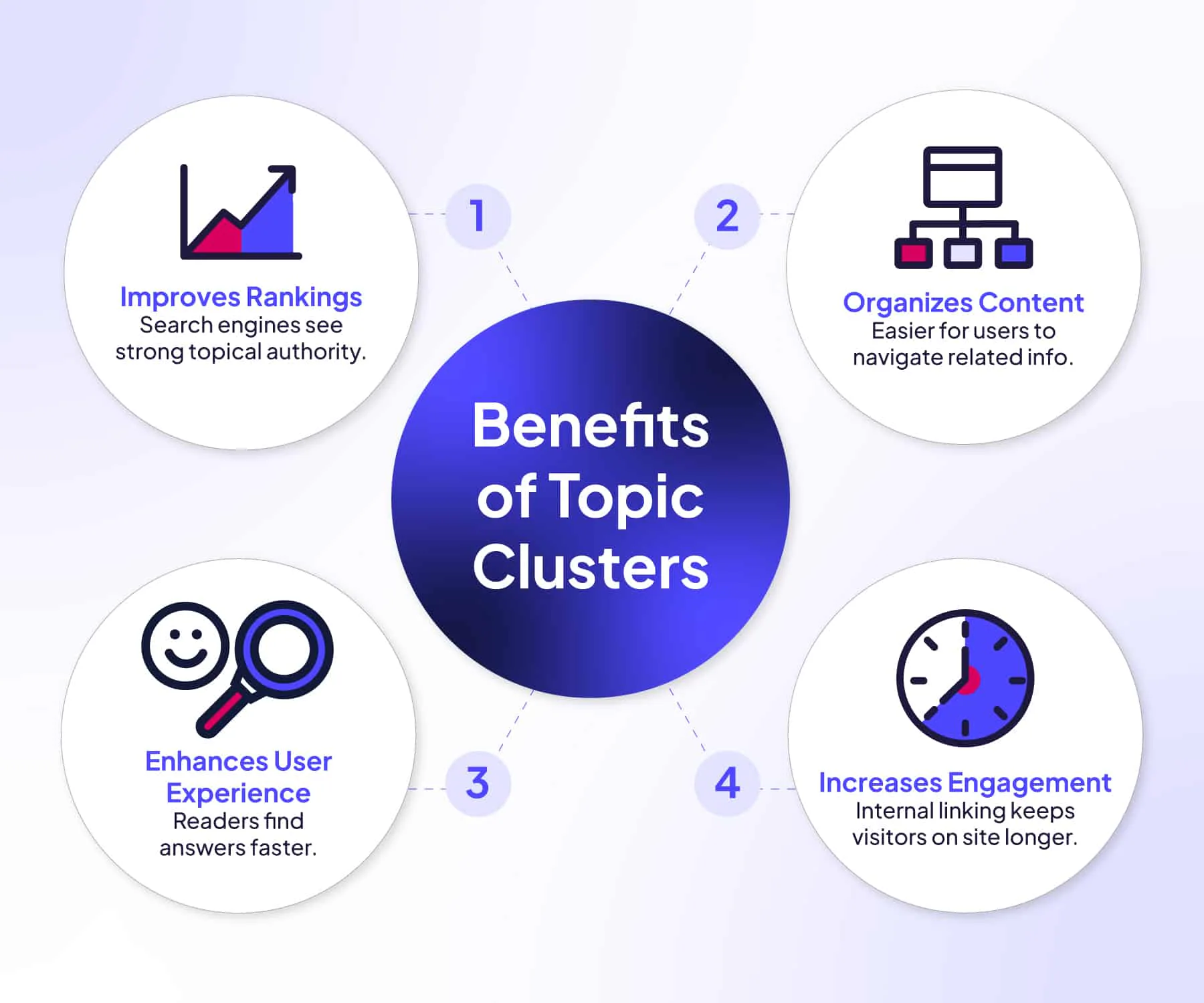
Linking cluster pages back to the pillar page boosts the authority of the main content, increasing its chances of ranking higher for broader keywords. This interconnected system also encourages visitors to stay longer on the site, exploring related topics, which sends positive signals to search engines.
How to Build Effective Topic Clusters
Building a strong topic clusters strategy begins with choosing the right pillar topic. This should be broad enough to cover various subtopics but focused on your business’s niche. For example, a digital marketing agency might choose “content marketing” as a pillar topic.
Next, identify cluster topics that break down the pillar topic into detailed areas. These could be blog posts, guides, or resources addressing specific questions or challenges. Each cluster page links back to the pillar page and sometimes to other clusters, creating a tight-knit network of content.
Regularly updating and expanding clusters ensures your website stays relevant and continues to attract traffic over time.
Benefits Beyond SEO
While topic clusters primarily boost search engine rankings, the benefits go further. A well-organized content structure enhances user experience by providing clear pathways to valuable information. Visitors can navigate your website easily and find answers quickly, increasing the chances they’ll return or convert into customers.
Furthermore, content creation becomes more efficient with this approach. Teams can plan content around clusters, ensuring consistent messaging and thorough coverage of important topics.
How Dsquared Media Can Help with Topic Clusters
At Dsquared Media, we specialize in developing tailored topic clusters strategies that align with your brand goals and audience needs. Our team analyzes your industry and current content to identify the best pillar and cluster topics. We craft engaging, SEO-optimized content that connects naturally across your site, enhancing your online presence and authority.
By partnering with Dsquared Media, businesses gain access to expertise in content strategy, SEO, and digital marketing that turns topic clusters into powerful growth tools.
Mastering topic clusters can transform how your website performs and how visitors engage with your content. Building a clear, connected content network helps you rank better, attract more traffic, and provide meaningful value to your audience. With professional support, your SEO strategy can stay ahead in a competitive digital world.