
In the current digital era, where almost anything can be accessed with a single click, mental health websites have become indispensable for offering assistance, resources, and direction to anyone need them. However, the user experience (UX) and design of these websites have a major impact on their impact. In addition to engaging visitors, a well-designed mental health website facilitates their ability to get the assistance they require. In-depth design advice for developing a positive user experience for mental health websites is covered in this blog.
A well-thought-out UX design can help:
Increase user trust: A user-friendly interface that is easy to navigate can build trust with visitors, making them more likely to return.
Encourage engagement: Clear, accessible content can encourage users to engage with the resources available.
Promote accessibility: Ensuring the website is accessible to all, including those with disabilities, can broaden its reach and effectiveness.
Support emotional well-being: A calming and supportive design can help reduce stress and encourage users to seek the help they need.
Design Tips for Mental Health Websites
1. Prioritize Simplicity and Clarity
Simplicity is important for mental health websites. Users should be able to find what they need quickly and without confusion. Overly complex designs, cluttered pages, or an overwhelming amount of information can deter users from engaging with the site.
Use simple language: Avoid medical jargon or complex terms. The content should be easily understandable to a wide audience.
Organize content logically: Group related content together and use headings and subheadings to guide users through the site.
Minimalist design: Avoid unnecessary graphics or elements that might distract users. The focus should be on the content and resources available.
2. Create a Calming Visual Aesthetic
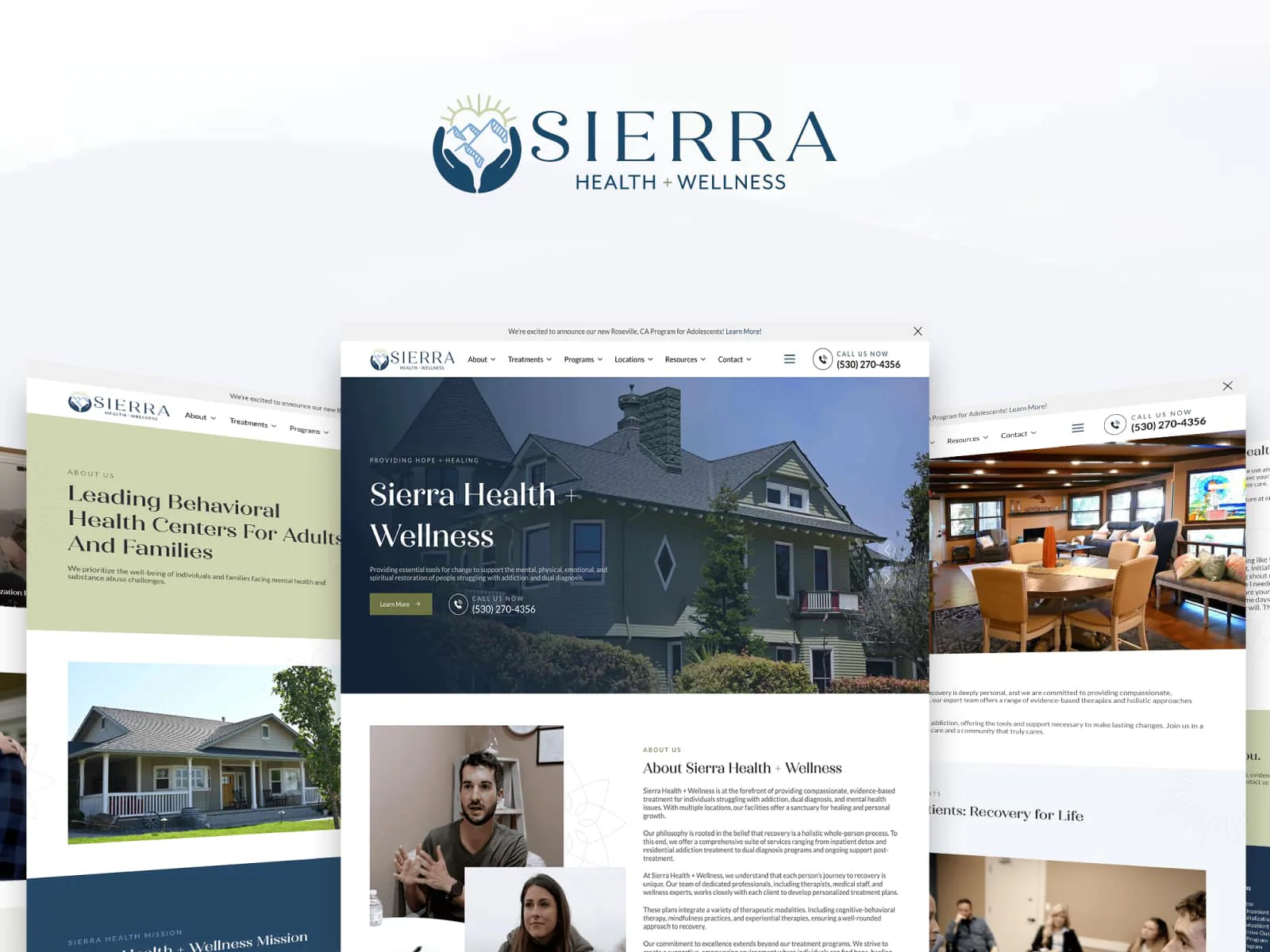
The visual design of a mental health website can impact how users feel when they visit the site. Calming colors, soothing imagery, and a clean layout can help create a sense of peace and reassurance.
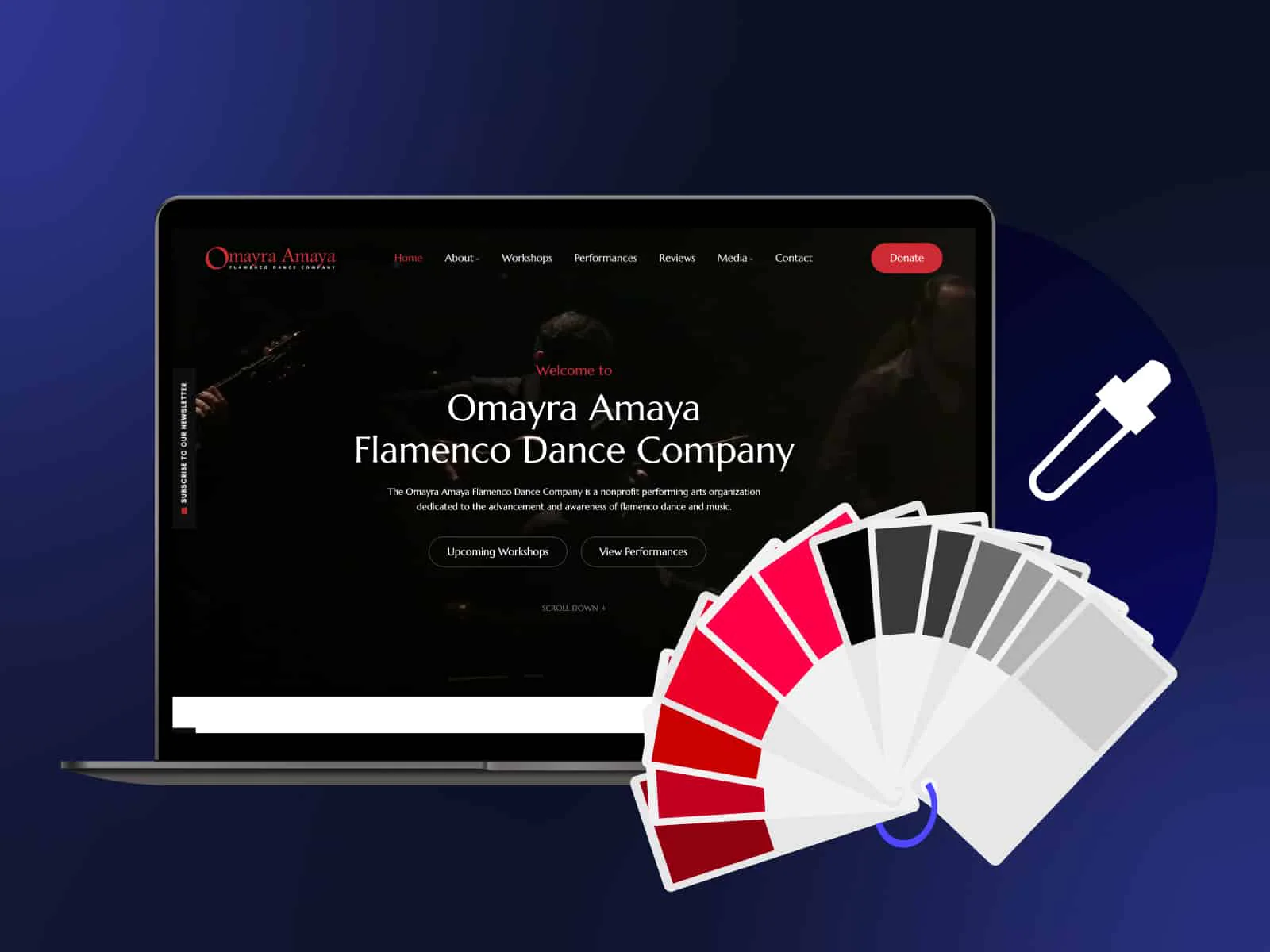
Choose a calming color palette: Soft blues, greens, and neutral tones are often associated with calmness and can help reduce anxiety.
Incorporate supportive imagery: Images of nature, peaceful scenes, or supportive human interactions can create a sense of comfort.
Maintain a clean layout: Avoid clutter and ensure that the design elements do not overwhelm the content. A clean layout can help users focus on the information that matters most.
3. Ensure Accessibility for All Users
Especially for mental health websites, accessibility is an essential component of UX design. Anyone with a disability or someone who could be having emotional or cognitive problems should be able to use the website.
Provide alternative text for images: This helps visually impaired users understand the content of images.
Use readable fonts: Choose fonts that are easy to read, with adequate spacing between letters and lines.
Offer text resizing options: Allow users to adjust the text size to suit their needs.
Ensure compatibility with screen readers: The website should be fully navigable with screen readers to support users with visual impairments.
4. Facilitate Easy Navigation
Easy navigation is essential for keeping users engaged. Visitors should be able to move from one section of the website to another with ease.
Use a clear menu structure: Ensure that the menu is simple and intuitive, with clearly labeled sections.
Include a search function: A search bar allows users to quickly find specific information without having to sift through multiple pages.
5. Incorporate Interactive and Supportive Features
Mental health websites can benefit from features that actively engage users and offer them the support they need.
Live chat options: Provide real-time support through chat features, allowing users to connect with mental health professionals or support staff instantly.
Self-assessment tools: Offer quizzes or questionnaires that help users assess their mental health status and direct them to appropriate resources.
Forums and community support: Creating an environment in which users can communicate with others going through comparable problems might help to build a feeling of support and community.
6. Maintain User Privacy and Security
Given the sensitive nature of mental health information, privacy and security are paramount. Users need to feel confident that their information is safe.
Use SSL encryption: Ensure that all data transmitted through the website is encrypted and secure.
Provide clear privacy policies: Clearly explain how user data will be used and protected.
Offer anonymous browsing options: Permit users to browse the website and obtain resources without requiring them to divulge personal details.