
When users land on a website, their first impressions often come down to just a few seconds. In that short period, web design colors and layout choices can create a sense of trust, generate curiosity, or, unfortunately, drive visitors away. The way a website feels visually affects how users behave, how long they stay, and how they interact with content.
Web design colors play a huge role in shaping those first impressions. They influence emotional response, create visual hierarchy, and can even guide users toward desired actions. For businesses, choosing the right web design colors isn’t just an aesthetic decision. It’s a strategic tool that can impact branding, conversion rates, and user loyalty.
Layout choices support the emotional tone and functionality of a site. Clean organization, thoughtful spacing, and purposeful flow help users focus and engage. Together with the right color palette, these elements can set the tone for the entire digital experience.
Understanding how psychology intersects with design, and how to use web design colors and layout choices, can help you better connect with your audience.
Understanding the Emotional Impact of Web Design Colors
Web design colors aren’t just a branding decision. They’re an emotional shortcut. Different shades evoke different feelings, and those feelings can influence how users perceive a business.
Here are a few basic associations:
- Blue suggests reliability, calm, and trust. It’s often used by financial services, healthcare, and tech companies.
- Red creates urgency and excitement. It’s great for promotions or bold brand personalities, but should be used in moderation.
- Green is associated with growth, nature, and health. Common in environmental brands, wellness companies, and organic products.
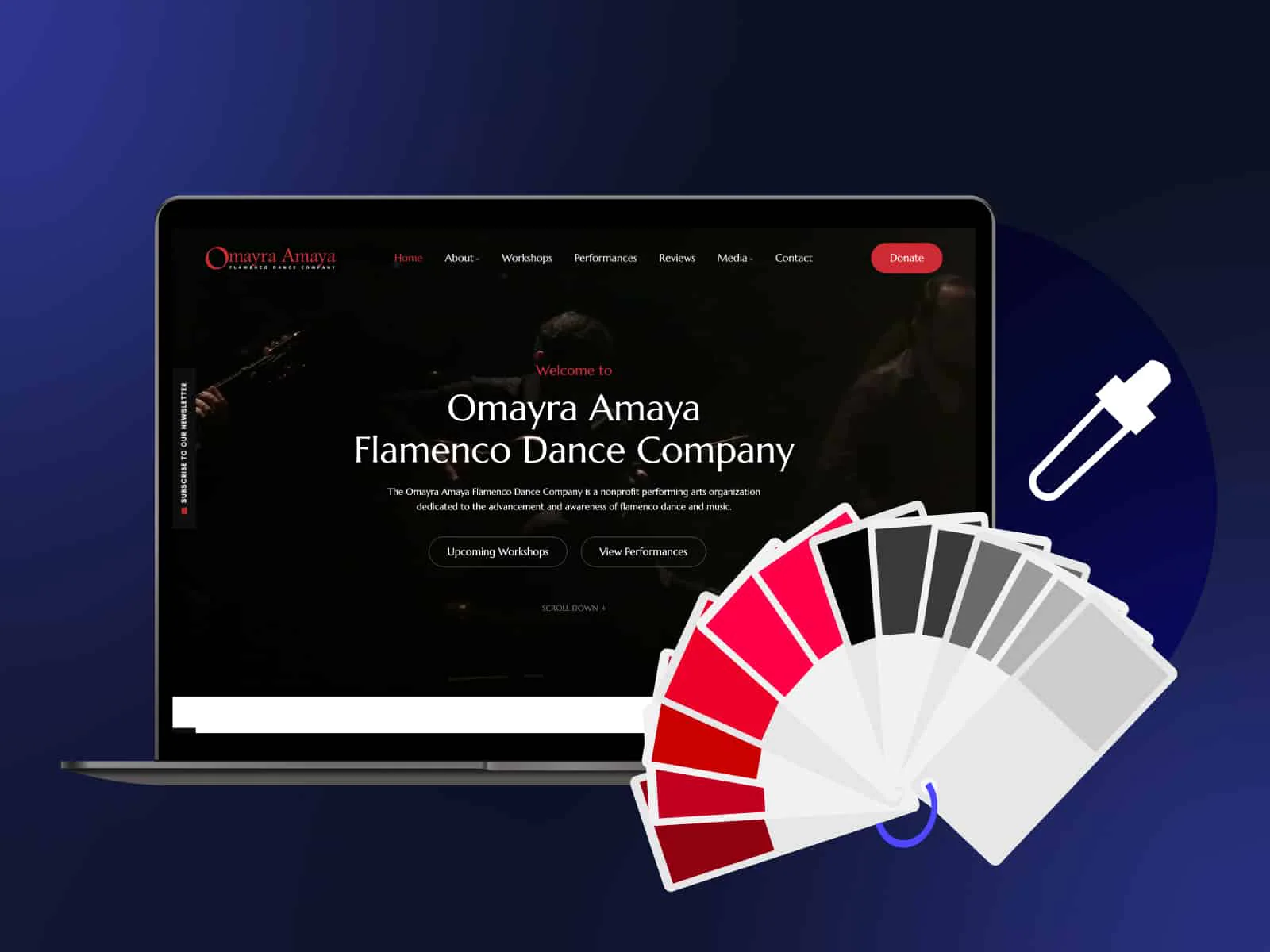
- Black communicates sophistication, luxury, or elegance, especially in high-end retail or design-forward industries.
- Yellow and orange bring energy and friendliness, but can become overwhelming if overused.
Choosing web design colors based on psychological response helps support the brand message. A high-energy brand that’s youth-focused may lean on vibrant, contrasting palettes, while a service-based company may prefer cooler, more stable tones.
Consistency is also important. Using the same core color palette across a site helps create visual cohesion and makes the brand more memorable.
Color Hierarchy: Guiding the User Journey
Not all colors should carry the same weight on a page. Visual hierarchy in design helps direct attention, and color contrast plays a major role in that process.
For example, call-to-action buttons need to stand out. If most of the site uses muted tones, a single bright accent color can highlight those buttons and make them easy to find. Repetition of that accent color throughout the site helps users quickly associate it with interaction or progress.
Web design colors also help group content visually. Background color shifts can separate sections, while borders or gradients can draw the eye toward specific content.
The right use of color hierarchy helps reduce user confusion and improves engagement by making the next steps clear.
Layout Psychology: Structure with Purpose
While color catches attention, layout holds it. Users rely on layout to navigate and understand what’s most important.
Most users scan in patterns. Eye-tracking research shows that people read web pages in F-shaped or Z-shaped patterns. That means headers, top-left corners, and bold callouts often get the most attention.
Effective layout design respects this natural behavior. It places primary messages in high-visibility areas and builds a clear visual path through content. Whitespace is also essential. Giving content room to breathe increases readability and makes the site feel less cluttered.
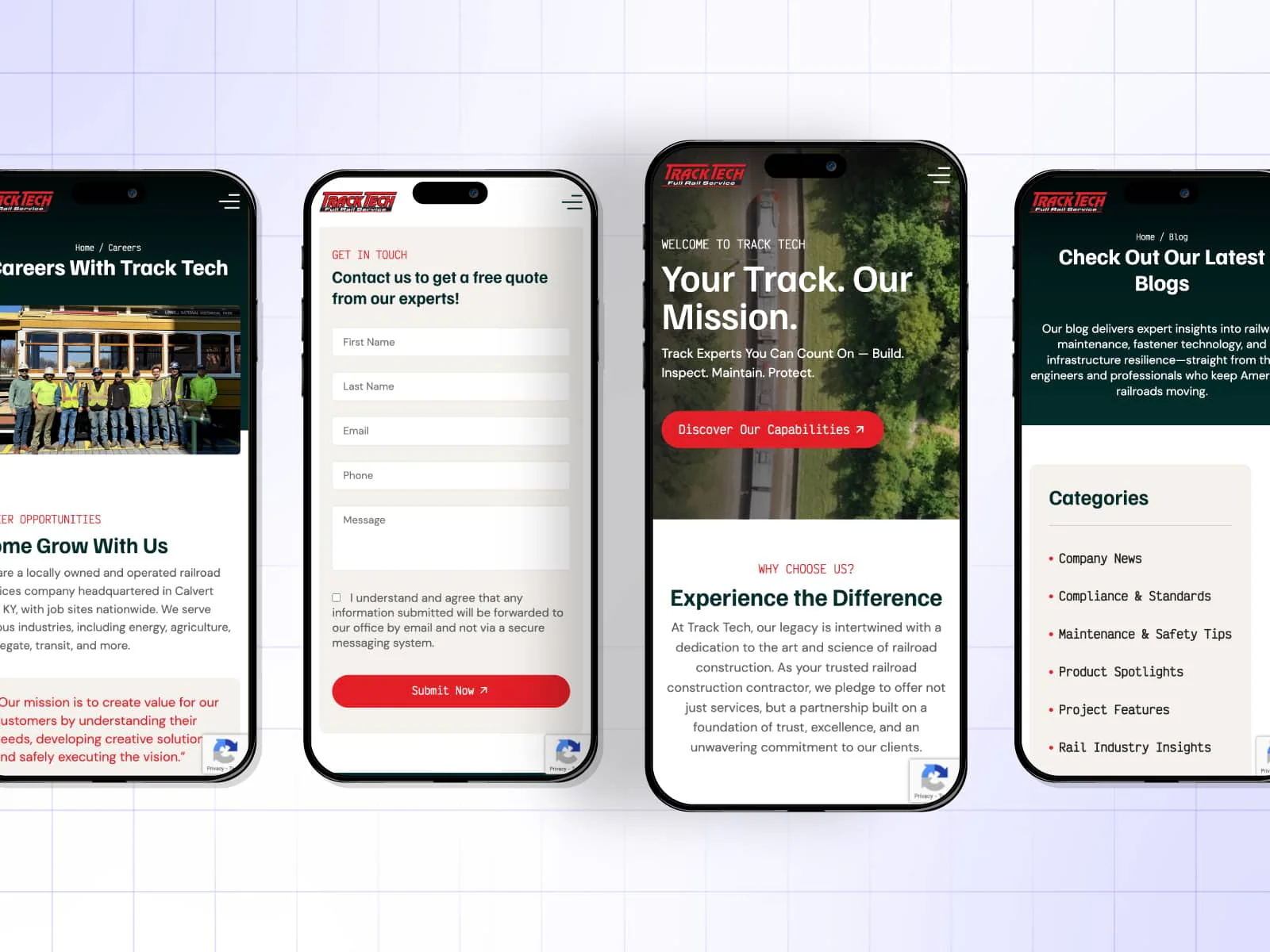
Responsive layouts are a must. Mobile users expect fast loading, easy navigation, and a readable design. Stacked sections, centered buttons, and swipeable content help deliver a better mobile experience.
A balanced layout helps visitors find what they need faster. When the site feels easy to use, they are more likely to stay longer and explore deeper.
Color and Layout in Branding
A brand is more than a logo. It’s how a company communicates visually and emotionally. Web design colors and layout together reinforce the tone of that communication.
For example, a creative agency might use bold, experimental layouts with vibrant, unexpected colors to show originality. A legal firm may choose conservative colors and traditional grid layouts to communicate professionalism and order.
The most effective websites understand their audience and tailor their design accordingly. Both color and layout must reflect brand values while supporting usability.
How Dsquared Media Approaches Web Design Colors, and Layout
At Dsquared Media, web design is more than beautiful visuals. It’s about intention. Every project begins with discovery. What message does the client want to send? Who are they speaking to? What should a visitor feel after landing on the homepage?
From there, we select web design colors that reflect both the brand personality and user psychology. We use a layout strategy to guide user behavior, keeping the design both functional and emotionally appealing.
Every detail, from button placement to accent color, contributes to a larger strategy. The goal is always the same: create a site that feels natural to use and supports business growth.
Web design colors and layout choices are more than design preferences. They are psychological tools that shape perception, guide behavior, and build trust. By understanding the emotional and visual impact of these elements, businesses can create stronger connections with their audience.
With thoughtful color and layout choices, your website can do more than inform. It can convert and represent your brand at its best.