
An outdated website can hurt your business more than you think. If your site still looks and feels like it was built ten years ago, users may question the credibility of your brand. From design trends to functionality, technology is always moving forward, and if your website doesn’t keep up, it will fall behind in more ways than one. An outdated website may affect how search engines rank your content, how visitors engage with your brand, and how customers view your professionalism.
If you’re wondering if your site qualifies as an outdated website, there are clear signs to watch for. Outdated visuals, poor mobile compatibility, and slow page speed are just a few of the most common red flags. A website that doesn’t reflect your current brand voice or business goals can also create confusion for new users. Even if your content is strong, the way it’s delivered and displayed matters just as much. So how can you tell if it’s time to rebuild or redesign?
Knowing more about the most obvious and often overlooked signals that your website is outdated can help you determine if it’s time for an upgrade.
1. Visual Design Feels Out of Touch
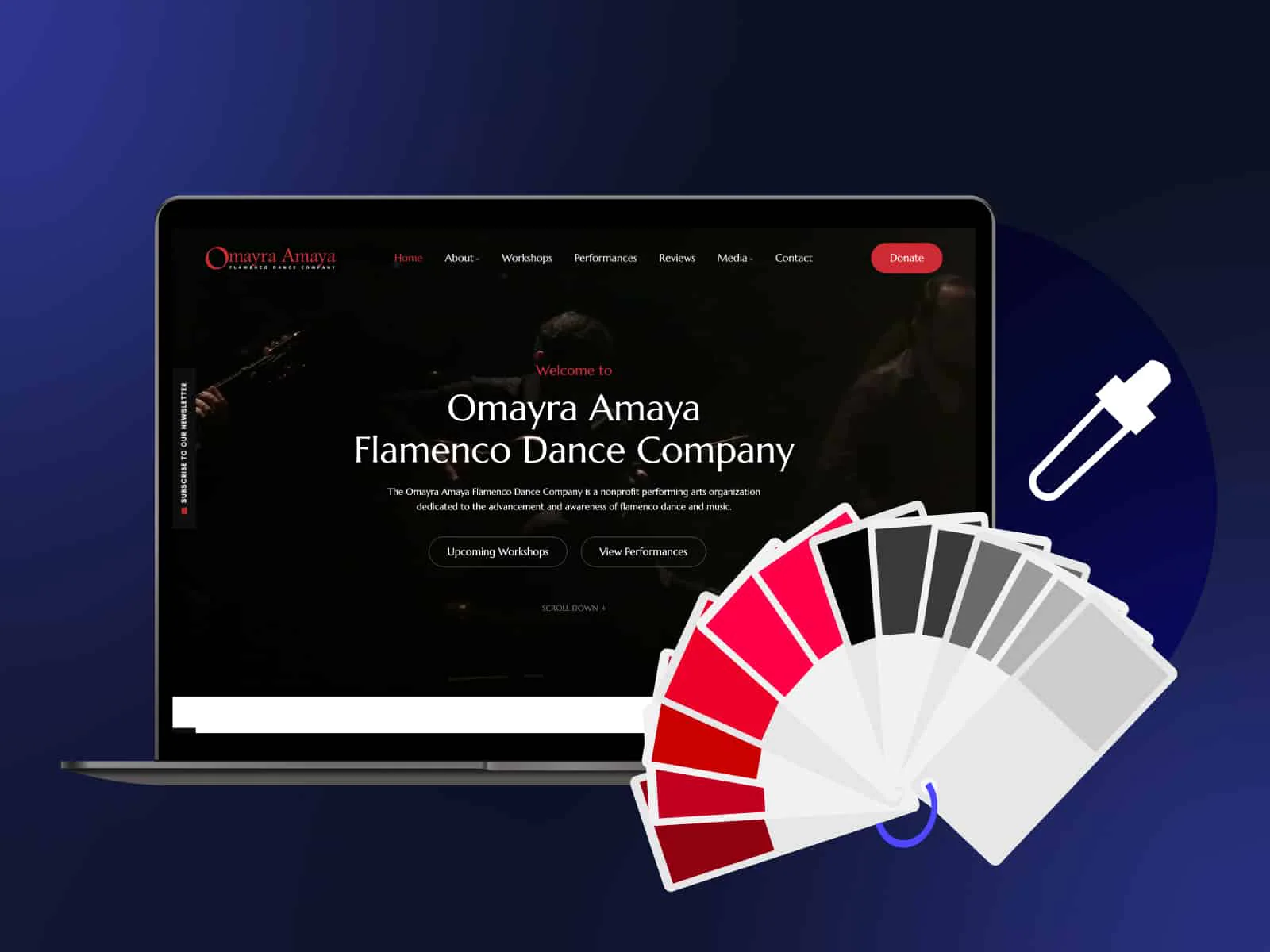
If your site design hasn’t changed in more than five years, there’s a good chance it already looks dated. Trends in layout, color, fonts, and image use shift regularly. A modern website relies on clean design, minimal clutter, strong contrast, and purposeful whitespace. If your homepage is still using outdated patterns like beveled buttons, drop shadows, or busy background textures, it’s time to refresh.
Users often judge your business in a matter of seconds. An outdated website can instantly lower trust, even before a visitor reads a word of your content. When someone lands on your page, their visual impression sets the tone for their entire experience.
2. It’s Not Mobile-Friendly
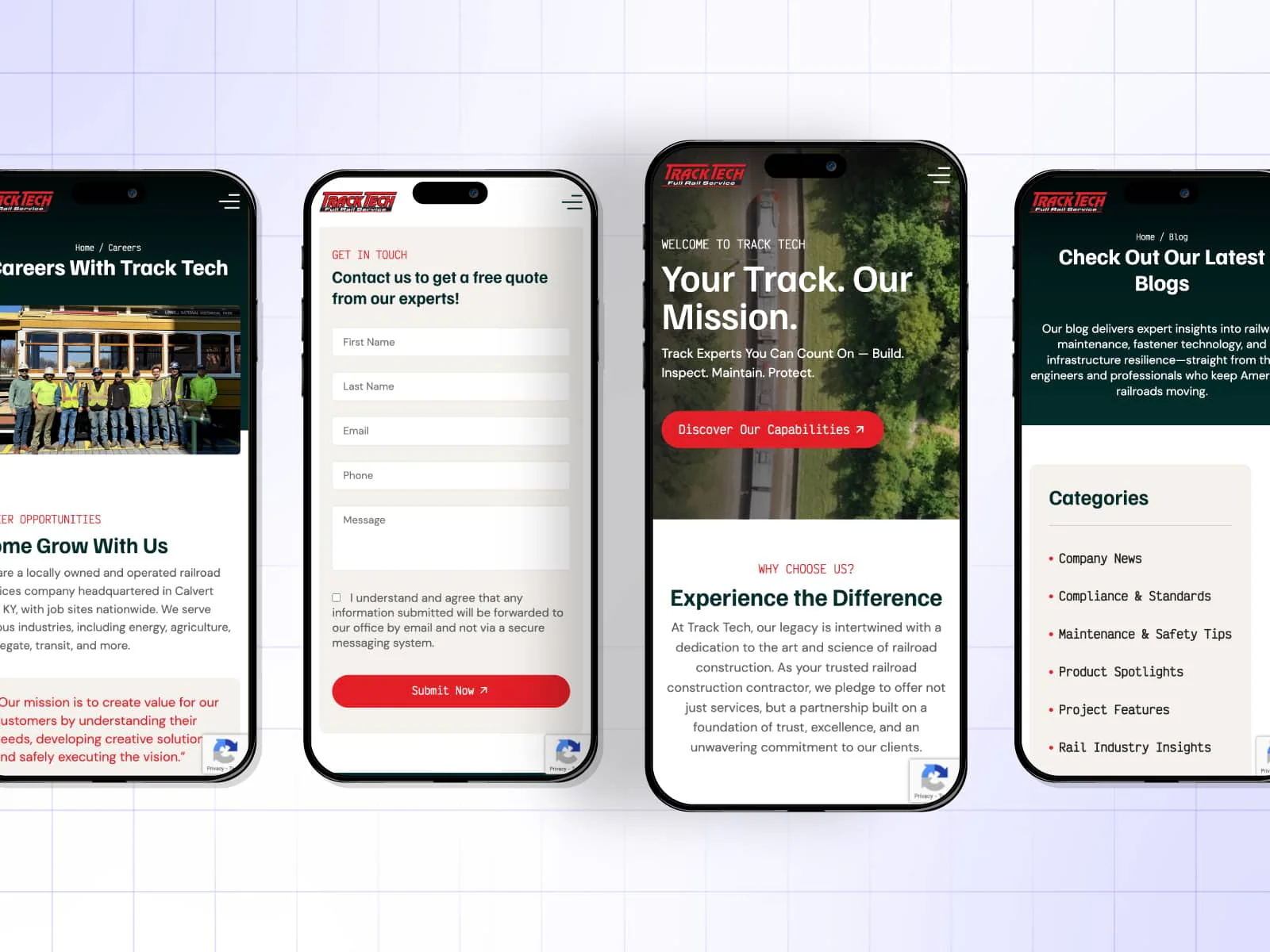
With more than half of internet traffic coming from mobile devices, having a responsive design is no longer optional. An outdated website often struggles with scaling on smaller screens, loading text that’s hard to read, or buttons that are difficult to tap. If users have to pinch, zoom, or scroll horizontally just to use your site on a phone or tablet, they won’t stay long.
Mobile compatibility is also a ranking factor for search engines. If your site fails to perform well on mobile, you’re likely losing visibility and traffic, even if your desktop version looks decent.
3. Your Site Loads Slowly
Speed is one of the most noticeable performance issues on an outdated website. Long loading times frustrate users and increase bounce rates. Old plugins, bloated code, and uncompressed media files can drag down performance. If your site takes longer than three seconds to load, most users will abandon it before they see your content.
Modern websites are designed with speed in mind. Using lightweight code, optimized images, and proper hosting environments all contribute to a faster experience that meets user expectations.
4. Broken Links and Old Content
Another sign of an outdated website is outdated content. Broken links, missing images, and references to events or products from years ago can quickly send a message that your site isn’t actively maintained. Search engines also notice when pages are no longer relevant or up to date.
If your blog hasn’t been updated in months or your homepage still features a product that’s no longer available, it’s time to re-evaluate your content strategy. Keeping information current is essential for credibility and engagement.
5. It Doesn’t Align with Your Brand
Your website should reflect who you are today, not who you were five years ago. If your business has grown, shifted focus, or rebranded, your site should evolve too. Many companies outgrow their original website but never update the messaging, imagery, or layout to match their new direction.
An outdated website may have a tone or visual identity that no longer represents your brand accurately. If users see inconsistencies between your website and other marketing materials, it can lead to confusion or distrust.
6. Navigation is Confusing
Good website navigation should be intuitive and user-friendly. If visitors struggle to find what they’re looking for, they’re likely to leave. An outdated website often includes crowded menus, unclear labels, or too many clicks to reach valuable content.
Modern design emphasizes simplicity and user flow. Every page should have a purpose, and users should be able to move through your site without guesswork. A site that’s hard to use will push users away, even if the content is useful.
7. You Can’t Easily Update It
If making small changes to your site requires calling a developer every time, you’re dealing with an outdated system. Content management systems like WordPress have made it easy for non-technical users to edit and update their sites. If your backend is clunky or overly complicated, it might be time to switch platforms or upgrade your CMS.
Having the flexibility to update content quickly allows you to stay relevant and agile in your digital presence. It also helps with ongoing SEO and marketing efforts.
Refresh Your Digital Presence With Help from Dsquared Media
Your website is often the first impression potential customers get of your business. If it looks outdated or performs poorly, it could be costing you leads, sales, and credibility. Regularly evaluating your site ensures it continues to support your business goals rather than hold them back.
At Dsquared Media, we specialize in transforming outdated websites into fresh, modern platforms that work across all devices. From custom design to strategic layout planning, we help businesses stay current and connected to their audience.