
There’s a lot of buzz surrounding artificial intelligence, large language models (LLMs), and how businesses should respond to this shift. Some of it’s helpful. Most of it’s noise. So let’s break this down in plain English. What LLMs are, whether you need to do anything technical to accommodate them, and how your brand can start showing up in AI-driven platforms like ChatGPT, Google Gemini, and others.
Let’s start at the top.
What Is an LLM?
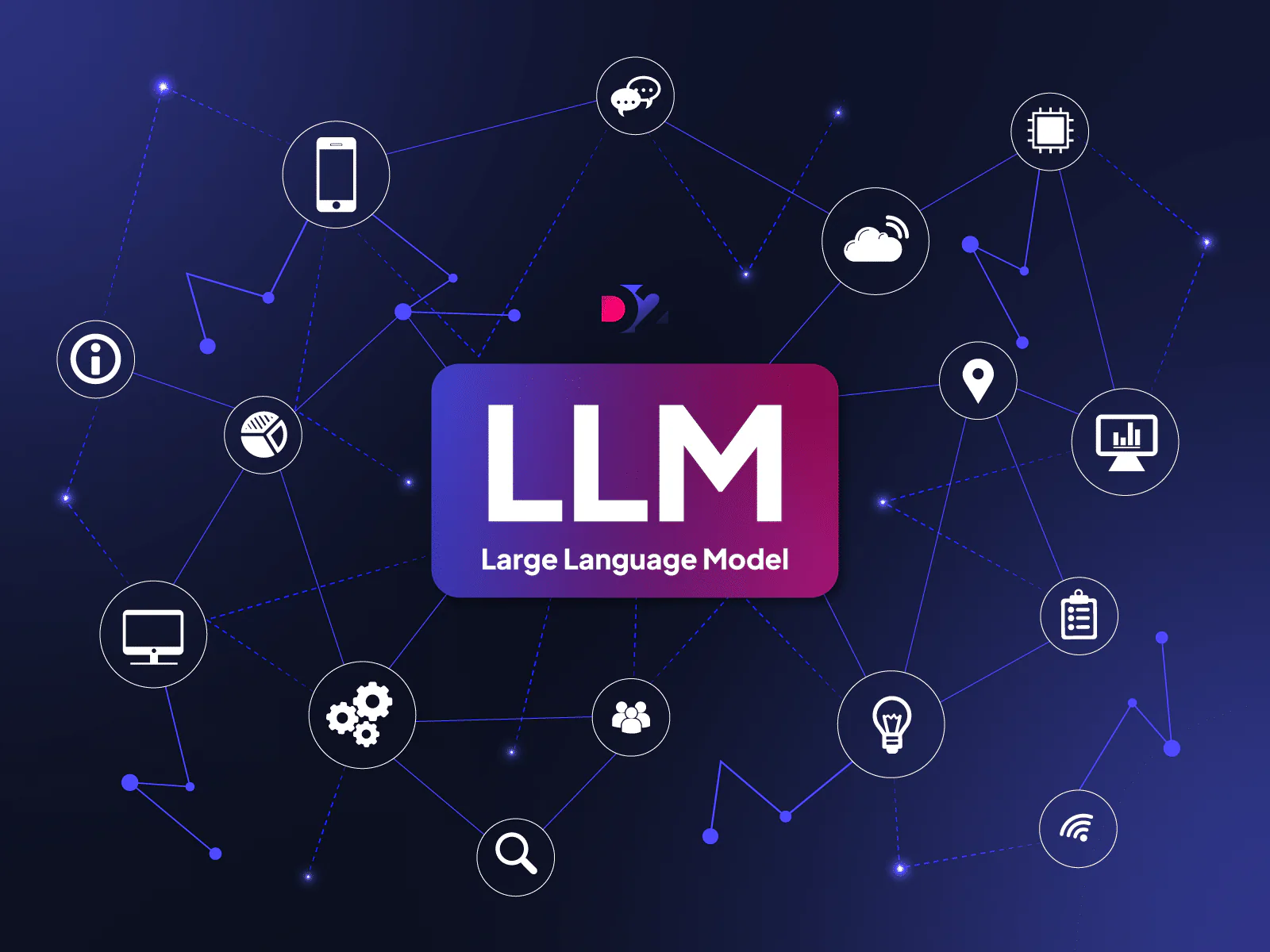
LLM stands for Large Language Model. It’s a type of artificial intelligence trained on a massive amount of data from the internet. These models understand language, patterns, and context, which means they can do everything from writing content and answering questions to creating strategies and summarizing complex data.
Think of an LLM as a supercharged autocomplete system that understands what you’re saying and can respond with something intelligent and human-like.
ChatGPT, Claude, Gemini, and Meta’s LLaMA are all examples of LLMs.
At Dsquared Media, we leverage LLMs to enhance content writing, ideation, ad copy, and even to help shape client strategy sessions—but they’re just one of many tools we use to deliver results. The real excitement comes when clients tap into these technologies too, unlocking even greater opportunities.
Are LLMs Indexing My Website?
Maybe. Maybe not. It depends on the company behind the AI model and how they’ve gathered their training data.
Some companies, like OpenAI and Google, have crawled the public web (similar to how Google indexes content) to help train their models. If your site was accessible and not blocked at the time of training, there’s a good chance your content was included in some form.
That said, most LLMs aren’t “live browsing” the internet every time you ask a question. They’re trained on snapshots of the web. So the version of your site that may have been seen is likely from a previous scrape.
Do I Need to Create Any Special Files for LLMs?
Short answer: No.
You don’t need to create a special text file or tag anything differently on your website. There’s no requirement to add something like a robots.txt or an ai.txt just for LLM visibility, unless you’re trying to opt out.
Some site owners have started experimenting with things like ai.txt to declare whether they want their content used by AI scrapers. But it’s not a standard yet, and most LLM companies aren’t honoring it consistently.
If you’re using LLMs to boost your own business (like we do at Dsquared), then you don’t need to worry about backend files or tags. Just focus on creating good, human-readable content. That’s what these tools are looking for anyway.
So, How Do You Show Up in AI Search Results?
Now we’re getting into the good stuff. While you can’t “rank” in ChatGPT the way you can in Google, you can increase your odds of being mentioned or recommended by improving your digital presence in a few key ways.
Be the expert on your topic: AI models pull from sources they trust. Blog posts, service pages, reviews, press mentions, and other public content all help. If you’re consistently writing helpful content in your space, there’s a much better chance your brand will be included in AI responses.
Strengthen your Google Business Profile: AI tools often reference Google when pulling local business recommendations. Make sure your listing is up to date, has great reviews, and includes clear info about what you do.
Get mentioned outside your site: Podcasts, awards, news features, and local directories. These outside mentions help boost your digital reputation. LLMs like to cross-reference names across the web. If you’re only visible on your site, you’re limiting your reach.
Publish clear, well-written content: Tools like ChatGPT are more likely to pick up and repeat ideas that are well-structured and easy to understand. Don’t try to “SEO-hack” your pages. Just be helpful and specific.
Make your site readable and fast: If your site is a mess or takes forever to load, you’re hurting both your user experience and your AI visibility. Not sure where to start? Our web design and development team can help tighten things up.
Claim your digital real estate: Use schema markup like LocalBusiness, Product, or FAQ to help search engines and LLMs understand your content. It’s not required, but it’s a smart move if you’re trying to stay ahead.
AI Isn’t the Future. It’s Already Here.
This quote from Danny Donovan, owner of Dsquared Media, says it all:
“AI is not the future. AI is now. We need to embrace it versus reject it. It’s not going anywhere.”
The businesses that adapt quickly are the ones that win. We’ve seen it happen over and over. The ones who stay stuck in old workflows end up getting left behind.
That doesn’t mean replacing your entire team with AI or turning your brand into a tech company overnight. It just means being open to what these tools can do and building them into your strategy in a way that works for your team and your clients.
What AI Tools Should You Be Using?
If you’re not sure where to start, here are a few practical ways to integrate LLMs into your day-to-day:
- Use ChatGPT to write content drafts or generate blog outlines faster
- Set up automation for proposals, follow-ups, or onboarding with tools like Zapier, plus AI
- Analyze your analytics reports by pasting them into an LLM and asking for key takeaways
- Answer common client questions with AI-generated knowledge base articles
- Use it for brainstorming when you’re stuck on campaigns, copy, or layout ideas
You don’t need to be an expert to start testing these tools. You just need to be willing to try.
You don’t need to panic about LLMs, and you don’t need to rework your entire website just to keep up. But you do need to pay attention. These tools are changing how people discover, engage with, and trust businesses online.
If you want to stay ahead, the move isn’t to ignore it or slap some generic AI plugin on your site. The move is to create meaningful, trustworthy content and let the tools work for you behind the scenes.
At Dsquared Media, we’re here to help you do just that. Using design, strategy, and smart technology that works.
If you’re ready to explore how AI can boost your brand, let’s talk.